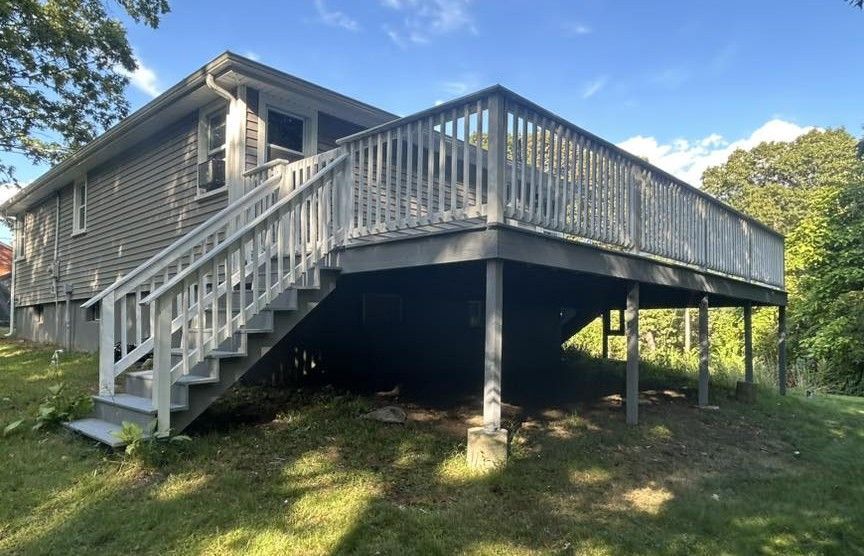
Deck Builder Central Massachusetts: 5 Signs Your Deck Is No Longer Safe

George Ross • January 15, 2026

5 Signs Your Deck Is No Longer Safe:

If you own a home in Central Massachusetts, your deck is exposed to snow, ice, moisture, and constant freeze–thaw cycles every year. As a professional deck builder serving Worcester County, we regularly inspect decks that look fine on the surface but are structurally unsafe underneath.

Below are the five most common warning signs that your deck may no longer be safe to use. If you notice even one of these issues, it’s important to take action before the problem gets worse.


Top 5 Reasons Homeowners Choose TAGS for Decks


Many decks in Central Massachusetts look fine on the surface but are structurally unsafe underneath. Snow, ice, moisture, and freeze–thaw cycles accelerate damage year after year. If you notice any of the signs below, your deck should be professionally evaluated.

🏗️ 1. Built to Massachusetts Code & Frost Conditions


If your deck boards feel soft or spongy underfoot, moisture has likely penetrated the wood and rot has begun beneath the surface. This is one of the earliest signs of structural deterioration and should not be ignored.

🔩 2. Proper Structural Framing — No Shortcuts


Railings should always feel solid. If they move, shake, or flex, it often means failing fasteners or compromised framing. This is especially dangerous on elevated decks and stairs and requires immediate attention.


🧱 3. Secure Ledger Board Installation


Rot, splitting, and cracking are not cosmetic issues. These signs indicate that load-bearing components are breaking down and losing strength. Surface repairs will not stop structural decay.


Not sure if your deck needs repairs or a full replacement?

Learn more about our deck construction and repair services in Central Massachusetts.


New Button

🌧️ 4. Materials Designed for New England Weather


A deck should feel firm and level. Sagging or noticeable bounce often points to undersized framing, failing joists, or shifting footings — common problems in Massachusetts when decks are not built to proper frost depth.

📍 5. Local Experience You Can Trust


Any movement or separation where the deck attaches to the home is a major red flag. This often indicates ledger board failure, one of the leading causes of deck collapse. This issue should be inspected immediately.

Concerned About Your Deck’s Safety?

If your deck shows any of these warning signs, don’t wait. TAGS Building & Remodeling is a trusted deck builder serving Worcester County and Central Massachusetts. We provide honest evaluations and professional recommendations based on safety and local building standards.

By George Ross December 4, 2025
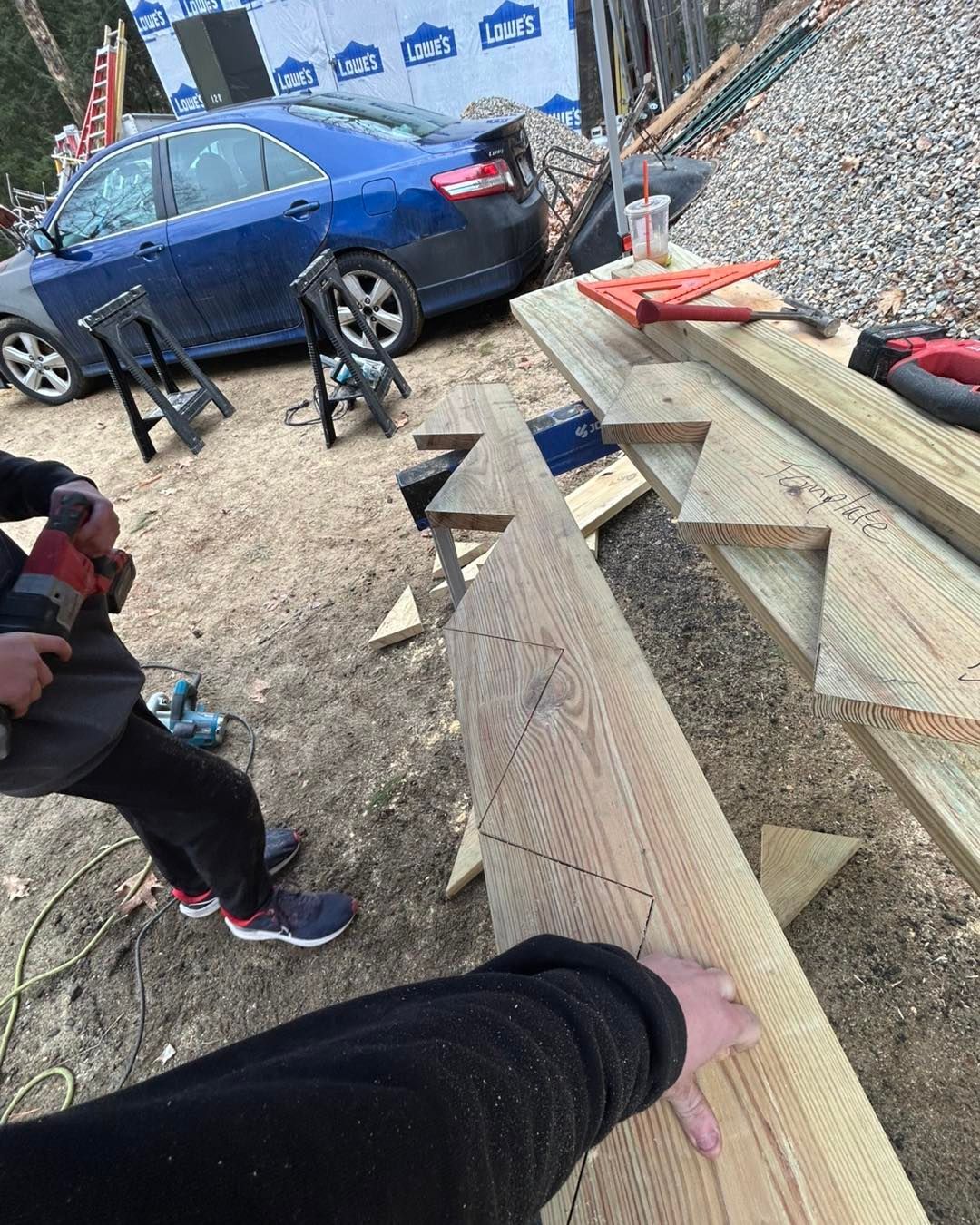
Planning a new deck or a repair with TAGS Building & Remodeling? Before the crew arrives, a little prep on your end can make a huge difference — faster work, fewer surprises, and a smoother project overall. Here’s a step-by-step checklist to get you ready. 1. Clear the Deck Area Completely Remove everything from the work zone: outdoor furniture, grills, plants, toys, or any items you’ve got on the deck or in the surrounding yard. A clean slate helps the crew move and work efficiently — no trip hazards, no delays. 2. Make Sure Access Paths Are Open Confirm that gates, driveways, side yards, and any paths to the work area are free of obstacles. That means no bins, cars, garden tools — anything that could block material delivery or crew movement. 3. Prep the Ground Around the Work Zone Clear away debris, leaning objects against the house, overgrown brush, or anything that could get in the way. This keeps the site safe and prevents issues when crews are digging footings or moving materials. 4. Designate a Staging Area for Materials Pick an open, level spot — a driveway, side yard, or other unused space — to store and stage building materials. This keeps materials organized and reduces clutter around the work area. 5. Secure Pets & Keep Kids Away from the Work Site Construction involves tools, heavy materials, open holes, and unpredictable movement. For safety, make sure pets are secured and children understand the work site is off-limits while crews are around. 6. Be Ready for Noise, Dust & Constant Activity Deck builds are noisy — cutting, hammering, sawing, hauling materials, cleanup. Plan accordingly: if you work from home or have neighbors, give them a heads-up. 7. Understand There Might Be Unforeseen Issues Once work begins, crews might find hidden rot, improper footings, water damage, or other surprises. These are common in older decks or after years of exposure. Be mentally prepared for potential scope changes or extra work. 8. Be Ready to Review Layout, Timeline, Permits & Expectations Before construction starts, TAGS will review the layout, materials, timeline, permits (if needed), jobsite access, and overall expectations with you. Make sure to attend this conversation and ask questions. 9. Keep Communication Open & Flexible Life happens — weather, schedule conflicts, blocked access, unexpected events. If anything changes, let the crew know ASAP. Open communication helps avoid delays and keeps the project on track.